Tsar Boris III and the Royal Palace
Boris III first came to the village of Banya in 1925 and stayed at the villa of his friend, the factory owner V. Bagarov, after unsuccessful treatment for his rheumatism in Hisar. At that time the tsar had the opportunity to appreciate the advantages of the Karlovo baths.
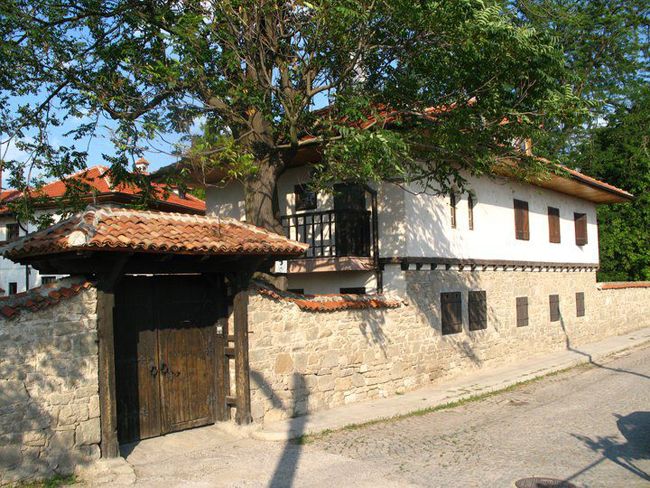
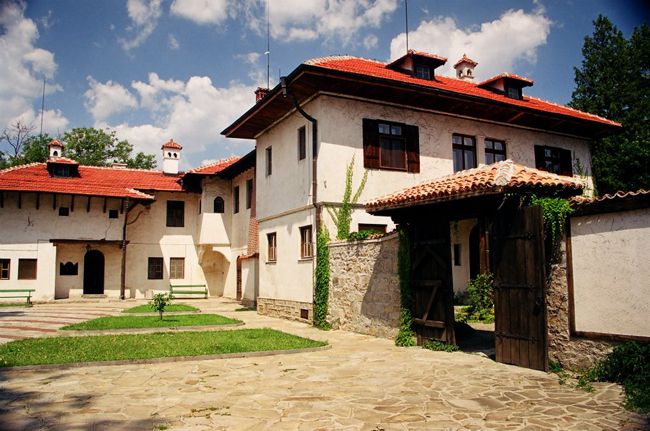
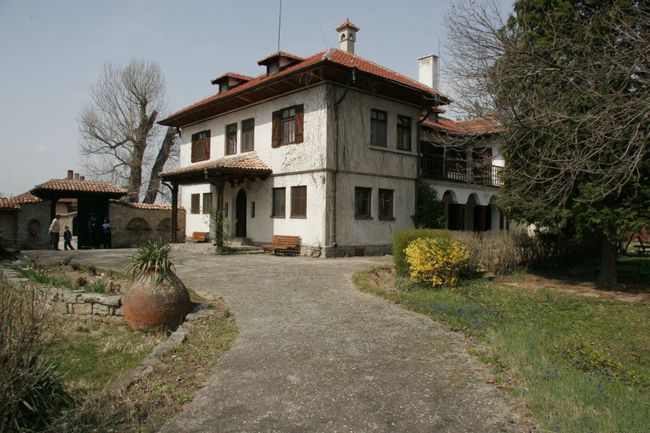
A little later, in 1929, the royal villa of Boris III was built at the northern end of the village, designed by the famous Bulgarian architect Ivan Vasilyov. The royal villa, called “The Palace” by local residents, is one of the six private properties of the Coburg royal family and the only private house built by Boris III.
The land on which the villa was built was purchased from farmers from Banya. The total area of the small architectural ensemble is 10 decares, of which 7 decares are the park area.
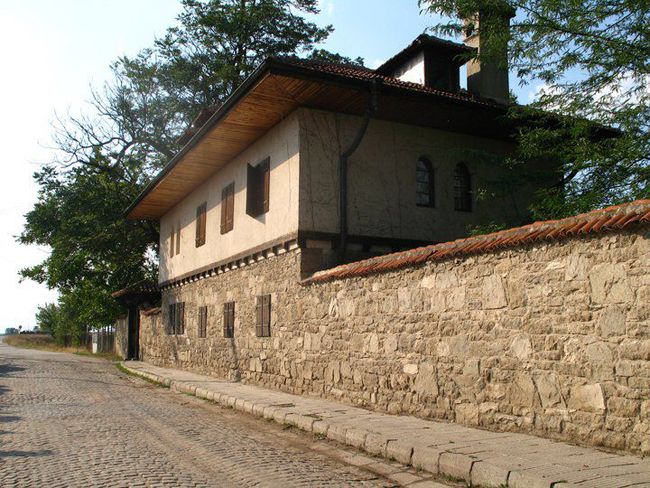
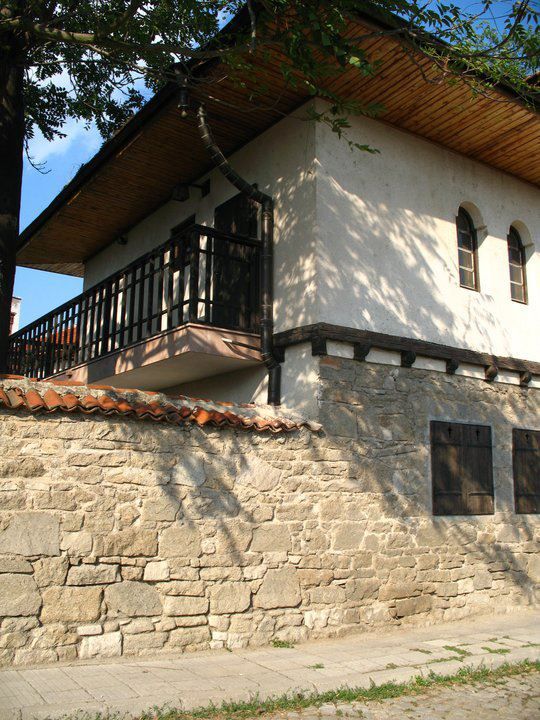
The villa was built in the spirit of Bulgarian Revival architecture, with elements and details typical of the style, such as the large veranda that enlivens the strict line of the façade. It is paved with Italian terracotta, and five strong oak columns ensure its stability. The windows have shutters, along with other elements borrowed from the Bulgarian Revival house.
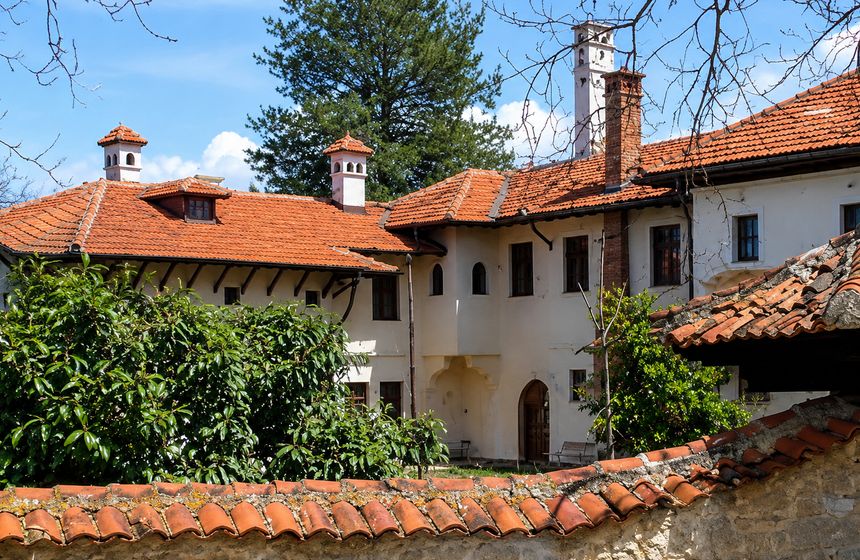
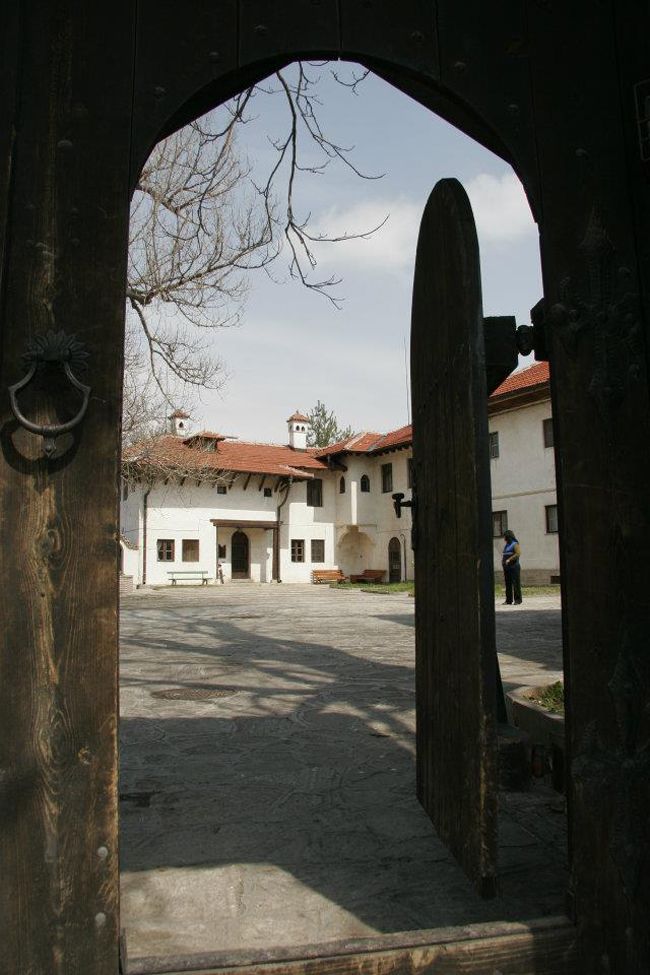
The complex also has two smaller buildings intended for guests and servants. The whole property is enclosed by a massive high stone wall with two forged oak gates.
More information about the Palace
Here is more information about the Palace, taken from Wikipedia.
The Palace in Banya, also called the Palace “The House” or the Royal House, is a summer royal villa in the town of Banya, Karlovo region, Plovdiv Province. It was used by Bulgarian Tsar Boris III and his family. The villa was built in 1929 at the northern end of the then village of Banya, designed by the famous Bulgarian architects Ivan Vasilyov and Dimitar Tsolov.
It is among the 6 private properties of the Coburg royal family and the only private house built by Boris III. Boris III visited Banya in 1925 after unsuccessful treatment for his rheumatism in Hisarya. At that time the tsar stayed in the villa of his friend, the factory owner Velizar Bagarov.
The tsar properly appreciated the advantages of the Karlovo baths and decided to build his summer villa near them. The royal house built in 1929, called “The Palace” by local residents, is among the 6 private properties of the Saxe-Coburg-Gotha royal family and the only private house built by Boris III.
The land on which the villa was built was purchased from local farmers. The total area of the small architectural ensemble is 10 decares, of which 7 decares are the park belonging to the complex. As a lover of botany, Tsar Boris III created a magnificent park at the royal house.
A small stream used to pass through the park, watering the beautiful plants that today are represented by swamp sequoia, horse chestnut, magnolia, and many others. The park lies over rich springs of warm mineral waters, and there is such a healing mineral spring on its territory.
The villa was built in the architectural style of Bulgarian Romanticism, recreating the spirit of Bulgarian Revival architecture with elements and details characteristic of the style, such as the large veranda that enlivens the strict line of the façade. It is paved with Italian terracotta, and 5 oak columns ensure its stability.
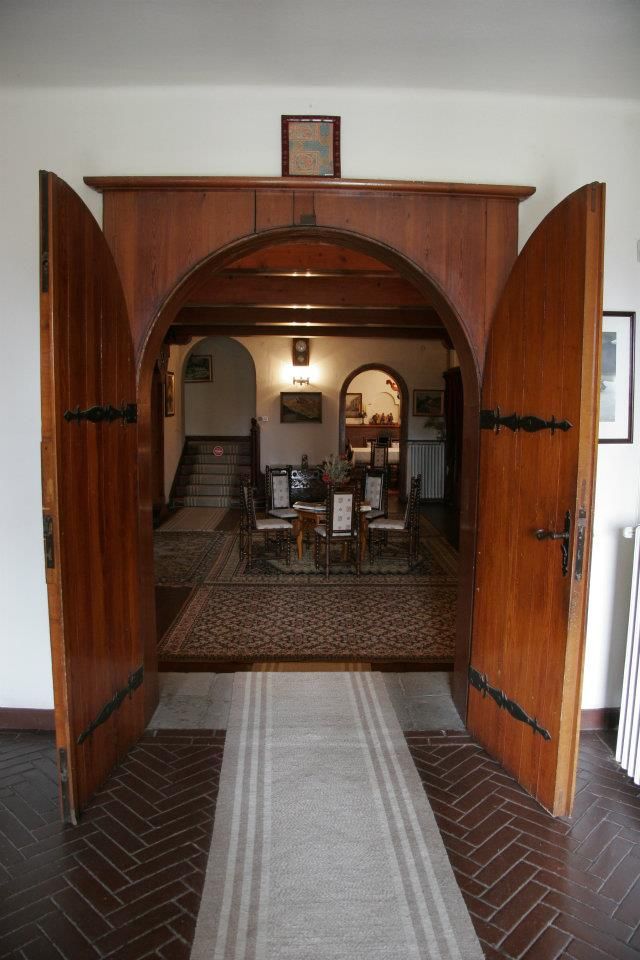
The windows have shutters and other elements borrowed from the Bulgarian Revival house. The complex also has 2 smaller buildings intended for guests and servants. The whole property is enclosed by a massive high stone wall with 2 forged oak gates. The royal villa is simply furnished, without unnecessary luxury and splendour.
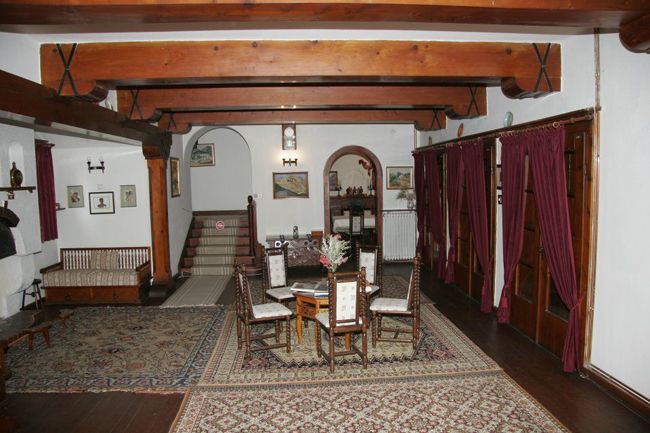
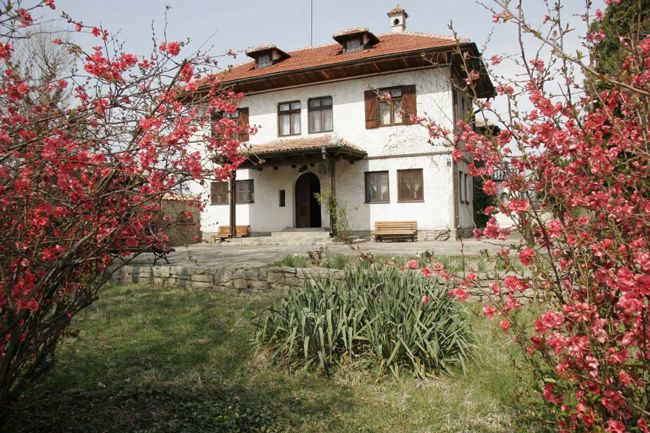
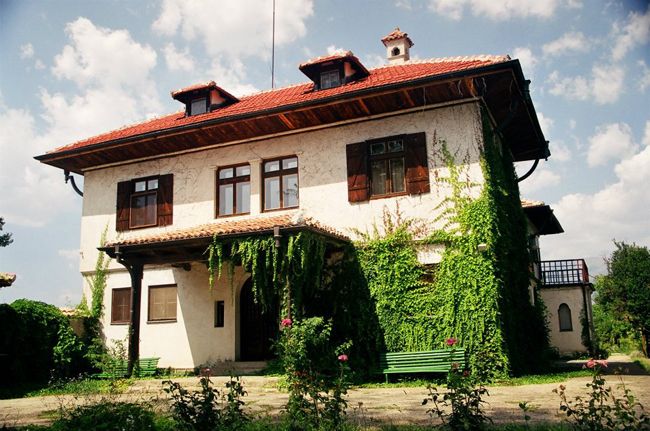
After the abolition of the monarchy in Bulgaria in 1946, the palace in Banya was nationalized by the regime of that time. Only after the democratic changes did the Bulgarian court in the 1990s restore ownership of the palace to the heirs of Boris III — Princess Maria Louisa and Tsar Simeon II.
Today the building preserves authentic oriental furniture and paintings by the most prominent Bulgarian artists close to and valued by the Bulgarian royal dynasty, such as Konstantin Shtarkelov, Boris Denev, Vladimir Naumov, and others. The villa was the first home in Bulgaria of Tsar Simeon II after his final return to the homeland; he and his sister, together with their guests and associates, often stay here, and Banya is the polling station where the tsar votes.
The complex is protected with the state status of a “cultural monument”. It is cared for by the “Rose Valley” Winery. The winery is known for the fact that from its 65,000 m? special wines were produced, valued by Hermann Göring and Adolf Hitler, and during the USSR period these wines were delivered specially for the Politburo of the Central Committee of the CPSU and personally for Leonid Ilyich Brezhnev.
The house is open for visits on special occasions and events. In January 2014 it was announced for sale with an initial price of €2,500,000 — a property, royal residence, architectural monument with an area of 9,500 m? and total built-up area of 1,000 m?, owned by a joint-stock company. Together with another possible property available for purchase for an additional payment — the “Rose Valley” Winery — it was listed as an asset of the seller.